
How prepared are you if a split-second decision changes everything? Recent events, like the wrong-way collision on I-43 that claimed two lives, prove that even cautious drivers aren’t immune to sudden chaos. When icy roads or reckless choices turn routine drives into disasters, knowing the right steps could mean the difference between safety and lifelong consequences.
Local reports from FOX6 and CBS 58 highlight alarming trends. A 19-year-old driver’s fatal mistake near 37th and Brown, emergency crews racing to free trapped passengers, and a child surviving a harrowing collision—these stories underscore the urgency of being informed. Freezing drizzle recently caused multiple wrecks, including a fire truck rear-ended and a bus sliding into a pole. Untreated roads turned highways into hazards overnight.
This guide cuts through the confusion. Learn how to secure the scene, work with authorities, and protect your rights. From gathering evidence to handling insurance claims, we break down the process using real examples from Milwaukee’s latest incidents. Stay calm, stay prepared.
Key Takeaways
- Recent wrong-way crashes and icy road collisions highlight the need for immediate action at the scene.
- Contacting police ensures an official report, critical for insurance and legal processes.
- Documenting injuries and vehicle damage strengthens your case if disputes arise later.
- Emergency services often face weather-related challenges, as seen in overnight freezing drizzle incidents.
- Understanding your rights helps avoid costly mistakes, especially when others flee the scene.
Immediate Response at the Scene
Chaos erupts in seconds—what you do next could save lives. Recent events, like the hit-and-run near 27th and Center involving a driver who fled, show why quick thinking matters. Follow these steps to protect everyone involved and build a strong case later.
Secure the Area First
Turn on hazard lights and move to a safe spot if possible. Check yourself and passengers for injuries before assisting others. In a February incident, bystanders helped a trapped 16-year-old while waiting for medics—a reminder to prioritize safety over evidence collection initially.
Contact Authorities Immediately
Dial 911 even for minor collisions. The Milwaukee Police stress this step, especially after a three-vehicle crash where delayed reporting caused insurance disputes. Dispatchers send officers and EMS—critical when victims need to be taken hospital quickly.
Gather Evidence Thoroughly
Use your phone to photograph damage, skid marks, and road conditions. Capture license plates and witness contacts. TMJ4’s footage of a recent crash proved vital for investigators. Note the time, weather, and statements from others involved.
- Check for hidden injuries (especially with children or infants)
- Record driver details and insurance information
- Wait for police to complete their report
MCTS bus cameras recently provided crucial footage after a collision—proof that documentation matters. Avoid discussing fault at the scene. Let professionals reconstruct events while facts remain fresh.
Medical Attention and Emergency Services
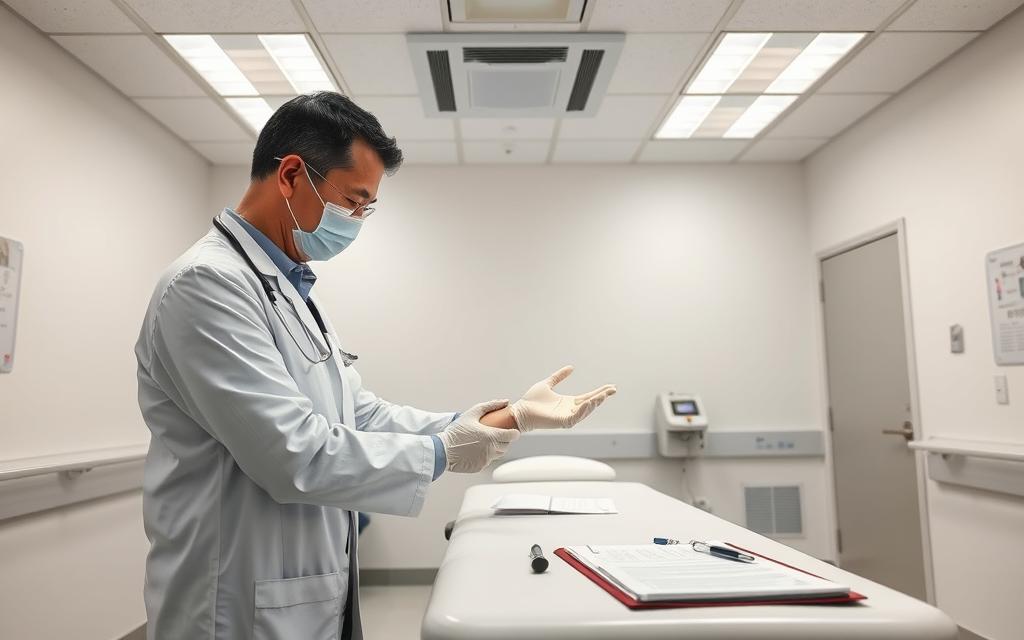
Every injury tells a hidden story—some scream for help while others whisper warnings. When a crash occurs, adrenaline often masks pain, delaying symptom recognition. Recent data shows 393,000 emergency room visits occurred statewide in 2019 for trauma cases, proving why swift action matters.
Determining Injury Severity and Getting Help
Check for dizziness, numbness, or confusion immediately. A 19-year-old driver initially refused care after a low-speed collision but later required surgery for internal bleeding. Call 911 or visit a hospital within 24 hours—Wisconsin’s Poison Control Center (1-800-222-1222) also offers 24/7 guidance for chemical exposures.
Hospital Procedures and Documentation
Milwaukee County’s medical examiner investigates fatalities and complex cases, often collaborating with first responders. Request copies of all tests—X-rays or bloodwork done early in the morning can reveal delayed issues. Bring a companion to help track details if you’re disoriented.
| What to Record | Why It Matters | Example |
|---|---|---|
| Arrival time | Links treatment to the incident | 7:15 AM ER check-in |
| Diagnosed injuries | Supports insurance claims | Whiplash, concussion |
| Prescribed tests | Documents hidden damage | CT scan, blood panel |
Severe cases activate county-wide protocols. After a multi-vehicle incident last month, the medical examiner reconstructed events using EMS data and toxicology reports. Always keep discharge papers—they’re vital for legal timelines.
Car Accident Milwaukee: Legal Advice and Next Steps
Navigating the aftermath requires precision. A single oversight could delay compensation or weaken your case. Recent incidents, like a three-vehicle collision resolved through meticulous documentation, prove that structured legal strategies yield better outcomes.
Handling Insurance Claims and Legal Documentation
File claims within 24 hours. Insurers often scrutinize delays—Wisconsin’s three-year statute of limitations doesn’t mean you should wait. Collect these items:
- Police report (request copy from Milwaukee Police within 5 business days)
- Medical records from the time you were taken hospital
- Repair estimates and witness statements
In one case, a driver secured 3x higher compensation by submitting timestamped photos of road conditions. Always consult experienced legal professionals before accepting settlements—91% of claimants with representation recover damages.
Communicating with Milwaukee Police and Investigators
Obtain the incident number at the scene. If discrepancies arise between your account and the report, submit corrections in writing within 30 days. For example, a recent crash involving three people was reclassified as reckless driving after the family provided dashcam footage.
Follow these steps to take if involved:
- Record officers’ names and badge numbers
- Note the time investigators arrived
- Save news articles mentioning your incident
The Milwaukee Police often collaborate with insurance adjusters. Proactive communication prevents disputes—like when a rear-end collision was initially blamed on icy roads until brake tests proved otherwise.
Conclusion
When chaos strikes, a clear plan transforms panic into purpose. Recent collisions involving buses and three people show how methodical responses protect both families and legal rights. Secure the area, document everything, and prioritize medical evaluations—even minor symptoms can escalate.
Legal outcomes often hinge on precise evidence. Camera footage from public transport and witness statements resolved disputes in multiple cases. Always consult qualified professionals before discussing fault or accepting settlements.
Morning commutes or late-night drives—risk exists at any hour. Share this guidance with loved ones to build community awareness. A prepared person safeguards their future while helping others navigate unpredictable moments.