
Are you a pregnant professional worried about your job? Pregnancy discrimination is a big problem in the US. It affects thousands of women every year.
Pregnancy discrimination lawyers help protect workers’ rights. They deal with cases of wrongful termination during pregnancy. Knowing your rights is key to keeping your job and dignity.
Federal laws like the Pregnancy Discrimination Act help protect expecting mothers. Discrimination can be hidden or very obvious. It can mean less work or even losing your job.
Key Takeaways
- Pregnancy discrimination is illegal under federal law
- Workers have specific legal protections during pregnancy
- Documentation is key when facing workplace discrimination
- Specialized attorneys can help with legal challenges
- Knowing your rights is the first step to protection
Understanding Pregnancy Discrimination Laws
Pregnancy discrimination is a big problem in today’s workplaces. Pregnant workers face many challenges. They need to know their rights and legal protections.
The United States has laws to help protect pregnant workers. These laws cover pregnancy and after childbirth.
Overview of Federal and State Laws
There are important federal laws to protect pregnant workers:
- Title VII of the Civil Rights Act of 1964
- Pregnancy Discrimination Act (PDA)
- Family and Medical Leave Act (FMLA)
- Americans with Disabilities Act (ADA)
These laws say employers can’t discriminate against pregnant workers. They must treat pregnant workers the same as others with temporary medical issues.
Key Benchmarks for Discrimination Cases
Courts look at several things when deciding on pregnancy discrimination cases:
- Timing of adverse employment actions
- Comparative treatment of employees
- Documentation of performance issues
- Evidence of discriminatory intent
Knowing these points helps pregnant workers spot and fight discrimination. Employers must make reasonable changes and can’t punish workers for pregnancy-related health needs.
Signs of Pregnancy Discrimination at Work
Pregnancy is a happy time, but some jobs make it hard. Workplaces can be mean to expecting moms. This can hurt your job and growth.
It’s key to know when you’re being unfairly treated. This helps keep your job safe and fair.
Common Symptoms of Discrimination
Workplace discrimination against pregnant women is common. Spotting these signs helps you know when you’re being unfairly treated.
- Sudden negative performance reviews after pregnancy announcement
- Exclusion from critical meetings or important projects
- Hostile comments regarding pregnancy or motherhood
- Denial of reasonable pregnancy-related accommodations
- Unexpected pressure to resign or take unpaid leave
Examples of Discriminatory Practices
Discrimination can be small or very wrong. Knowing these actions helps you spot unfair treatment.
| Discriminatory Practice | Potential Impact |
|---|---|
| Refusing to hire pregnant candidates | Blocks career opportunities |
| Terminating employment after pregnancy disclosure | Immediate job loss |
| Denying promotions due to pregnancy | Career progression disrupted |
| Refusing modified work assignments | Increased health risks |
Pregnant workers have laws to protect them. Keeping records of unfair treatment is important. It might help if you need to take legal action.
How Pregnancy Discrimination Affects Your Rights
Workplace pregnancy rights are very important. They protect expecting mothers from unfair treatment at work. Laws make sure pregnant employees get fair chances and support.
Knowing your workplace pregnancy rights means understanding federal laws. The Pregnancy Discrimination Act (PDA) is key. It helps protect pregnant workers in many jobs.
Worker Protections Under the Pregnancy Discrimination Act
The PDA gives pregnant workers big rights. These rights include:
- Protection against being fired because of pregnancy
- Getting the same job chances as others
- Keeping the same job benefits
- Getting help for pregnancy-related needs
Employer Obligations Regarding Pregnant Employees
Employers have to follow rules for pregnant workers. These rules are:
- Offering help for pregnancy needs
- Keeping health insurance the same
- Keeping the job safe during pregnancy and leave
- Not taking action against pregnant workers
Pregnant workers have strong legal rights. These rights make sure they are treated fairly and respected at work.
Steps to Take If You Experience Discrimination
Facing pregnancy discrimination can be very stressful. It’s important to know how to protect yourself. This guide will help you document and address workplace discrimination.
Documenting Incidents and Evidence
Keeping a detailed record is key for your rights. Make sure to document all discriminatory actions.
- Keep detailed written records of all discriminatory incidents
- Save emails, messages, and written communications
- Note dates, times, and specific details of conversations
- Collect performance reviews before and after pregnancy disclosure
- Preserve copies of medical documentation

Pro tip: Store your documents safely away from work computers. This helps avoid loss or tampering.
Reporting to Human Resources or Management
It’s important to follow the right steps when reporting discrimination. Your actions can affect legal actions later.
- Review your company’s harassment and discrimination policies
- Submit a formal written complaint to HR
- Request a written acknowledgment of your complaint
- Maintain professional and factual communication
- Follow up regularly on the status of your complaint
Remember, HR’s main job is to protect the company. You might want to talk to an employment law attorney. They can help you understand your options for pregnancy discrimination claims.
When to Contact a Pregnancy Discrimination Attorney
Dealing with work issues while pregnant can feel really tough. Pregnancy discrimination lawyers help protect the rights of moms-to-be and new moms at work. It’s important to know when to ask for legal help to keep your job and well-being safe.
Knowing when to call a maternity discrimination lawyer is key. You need to understand your rights at work. Some situations clearly show you need a lawyer:
- Being fired soon after telling your boss you’re pregnant
- Getting demoted or having your job changed a lot
- Not getting the pregnancy-related help you need
- Facing problems at work after talking about discrimination
- Not getting help from your company’s internal complaints process
Identifying Legal Representation Needs
Work laws can be hard to understand. Pregnancy discrimination lawyers offer important advice, even before you might get fired. Most lawyers give free first talks. This lets you learn about your rights without spending money right away.
Questions to Ask Possible Attorneys
When talking to possible maternity discrimination lawyers, ask these important questions:
- What experience do you have with pregnancy discrimination cases?
- Can you show me your success stories?
- How do you charge for your services?
- What kind of money can I get?
- Will you personally work on my case?
Choosing the right pregnancy discrimination lawyer is very important. They can help protect your job rights and make sure you’re treated fairly.
What to Expect During the Legal Process
Dealing with pregnancy discrimination claims can be tough. Knowing the legal steps helps employees get ready for EEOC cases. It also tells them what to do if they face discrimination at work.
The legal journey starts with getting ready and planning. People facing pregnancy discrimination need to collect important evidence. They also need to know their rights before they can move forward.
Initial Consultation and Case Evaluation
At the first meeting, lawyers will look at your case closely. They check several things:
- Documented workplace incidents
- When the discrimination happened
- How it affected your job
- What evidence you have
Lawyers who focus on EEOC cases will explain your options. They look at:
- Your job records
- What others say
- Your job performance
- Any messages or emails
Steps Involved in Filing a Complaint
Filing a complaint needs careful planning. The steps are:
- Submitting a charge with the Equal Employment Opportunity Commission (EEOC)
- Meeting strict filing deadlines (usually 180-300 days)
- Going to mediation
- Getting the outcome of the investigation
Pregnancy discrimination claims need detailed records and expert legal help. Working with a skilled lawyer can help you get a good outcome.
Compensation Available for Victims of Discrimination
Pregnancy discrimination lawsuits can give workers much-needed money. They help victims know their rights and fight for justice.
Damages in Pregnancy Discrimination Cases
People who face pregnancy discrimination can get different kinds of money. They might get:
- Lost wages and back pay
- Front pay for future earnings
- Emotional distress damages
- Punitive damages
- Legal fees and court costs
Settlement vs. Court Awards
A pregnancy discrimination lawsuit can lead to two main ways to get money. These are settlements or court verdicts. Each has its own good points for workers seeking justice.
| Settlement | Court Award |
|---|---|
| Faster resolution | Potentially higher compensation |
| Guaranteed payment | Longer legal process |
| Confidential agreement | Public legal record |
Good lawyers can help with a pregnancy discrimination lawsuit. They make sure victims get fair money for being treated unfairly at work.
Federal law limits damages to $50,000 to $300,000 based on company size. But, state laws might offer more protection and higher awards.
Common Misconceptions About Pregnancy Discrimination
Being pregnant at work can be tricky and not well understood. Many workers think they know their rights but don’t. It’s important to know the truth to protect yourself and spot real discrimination.
Debunking Pregnancy Discrimination Myths
There are many wrong ideas about pregnancy and work:
- Myth: Pregnancy automatically protects you from termination
Fact: Employers can fire you for good reasons that have nothing to do with pregnancy.
- Myth: Small companies are exempt from discrimination laws
Fact: Many states protect pregnant workers in small businesses, even if the law doesn’t cover them at the federal level.
- Myth: HR’s determination means no discrimination occurred
Fact: HR works for the company, and their say doesn’t stop you from suing for pregnancy discrimination.
Understanding Legal Protections for Pregnant Workers
There are laws to stop discrimination, but they don’t make you safe at work. Pregnant workers need to know the difference between fair actions and unfair ones. Keeping records is key to proving if you were unfairly treated.
Talking to a lawyer who knows about work and pregnancy can help. They can tell you if your rights were broken.
The Role of LGBTQ+ Rights in Pregnancy Discrimination
Pregnancy discrimination and LGBTQ+ rights are closely linked. This creates a complex legal landscape for diverse workers. The law now recognizes the special challenges faced by pregnant workers of all gender identities and sexual orientations.
Today’s workplace laws go beyond old ideas of pregnancy discrimination. They now cover gender identity and sexual orientation too.
Intersectionality in Discrimination Cases
Discrimination can hit in many ways, affecting pregnant workers differently. Some big challenges include:
- Sexual orientation-based pregnancy discrimination
- Gender identity workplace barriers
- Compounded discriminatory practices
The Supreme Court’s big Bostock v. Clayton County ruling helped. It made clear that sex discrimination includes sexual orientation and gender identity under Title VII.
Understanding the Rights of Transgender Individuals
Transgender and non-binary pregnant workers have strong legal rights. Employers must treat them equally, no matter their gender identity.
| Legal Protection Area | Specific Rights |
|---|---|
| Workplace Accommodations | Equal medical leave and job modifications |
| Harassment Prevention | Protection against gender identity discrimination |
| Parental Benefits | Consistent benefits for all parents |
These laws make sure pregnant workers get fair treatment. They are respected and supported, no matter their gender identity or sexual orientation.
Resources for Victims of Discrimination
Dealing with pregnancy discrimination can be tough. Luckily, many resources are here to help. A maternity discrimination lawyer can guide you. But, there are also groups that offer quick help and support.
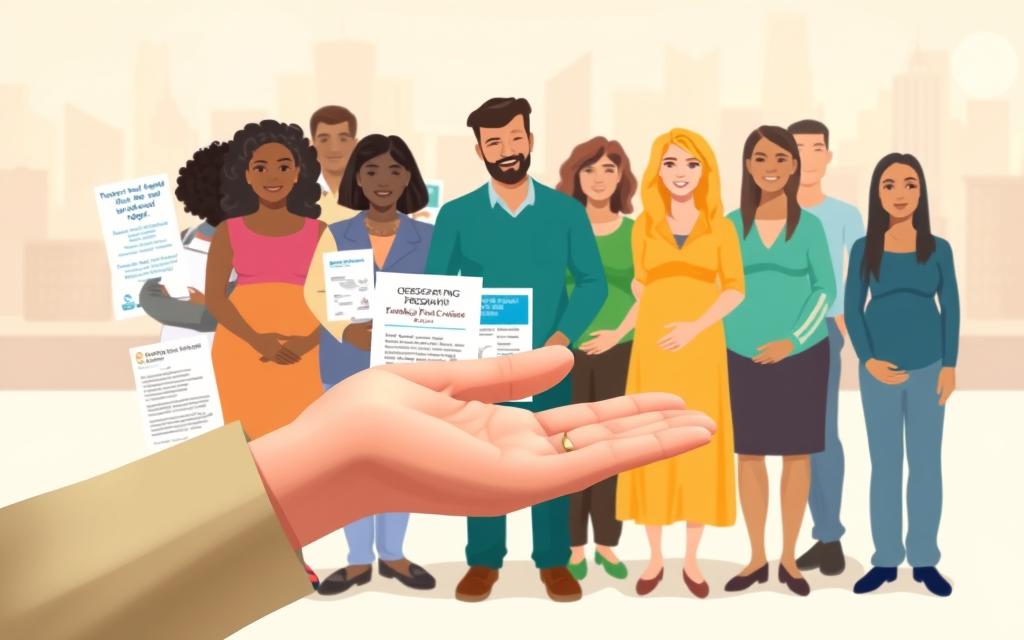
People facing workplace discrimination have many support groups. These groups help protect your rights and offer important advice.
Organizations Providing Support and Guidance
- Equal Employment Opportunity Commission (EEOC): Helps with discrimination complaints
- National Women’s Law Center: Gives legal help and fights for workplace rights
- A Better Balance: Offers free legal info for pregnant workers
- American Civil Liberties Union (ACLU): Deals with tough discrimination cases
Websites and Hotlines for Immediate Help
For quick help, pregnant workers can reach out to these places:
- EEOC Online Complaint Portal: www.eeoc.gov/filing-charge-discrimination
- EEOC National Contact Number: 1-800-669-4000
- State Civil Rights Commission Websites
- Local Legal Aid Societies
These resources offer great first help. But, talking to a maternity discrimination lawyer is best. They can explain your legal options and what you can do at work.
The Importance of Legal Advocacy for Pregnant Workers
Workplace pregnancy rights are key for protecting workers and their dignity. Legal help is vital for pregnant workers. It ensures they are treated fairly and fights against unfair practices.
Understanding workplace pregnancy rights is complex. Pregnant workers need strong legal support and changes in the system.
Building a Strong Support System
Having a strong support network is key against workplace discrimination. Pregnant workers can use several ways to get help:
- Connect with groups focused on pregnancy rights at work
- Get help from counselors to deal with stress
- Keep good relationships with coworkers
- Keep records of all work interactions
Advocating for Workplace Policy Changes
Legal actions can lead to big changes at work. Pregnant workers can fight unfair practices. This helps make work places better for everyone.
| Advocacy Strategy | Potential Impact |
|---|---|
| Sharing Personal Experiences | Raises Public Awareness |
| Supporting Legislative Efforts | Strengthens Legal Protections |
| Participating in Advocacy Organizations | Develops Collaborative Networks |
Workplace pregnancy rights are not just individual battles but part of a broader movement toward genuine professional equality.
Preventative Measures Employers Should Implement

Creating a supportive work environment is key. Employers must take steps to stop prenatal leave discrimination. They need to make sure pregnant employees are safe and respected.
Best Practices for Creating a Supportive Work Environment
Good companies support pregnant workers well. They use many ways to fight prenatal leave discrimination. Here are some important steps:
- Make clear rules about pregnancy at work
- Teach managers about pregnancy laws
- Use fair ways to judge work
- Offer flexible work options
- Keep benefits the same during maternity leave
These steps help avoid legal problems and keep employees happy. Helping pregnant workers is smart for business.
Educating Employees About Rights and Responsibilities
Stopping prenatal leave discrimination needs constant learning. Good training covers:
- Workshops on discrimination laws
- Clear company policies
- Many ways to report issues
- A culture that welcomes everyone
By focusing on education and support, employers can make a safe space. Pregnant employees will feel valued and protected.
Conclusion: Seeking Justice and Support
Pregnancy discrimination is a big problem in the workplace. It affects many professional women in the U.S. Experienced lawyers know how to help. They guide you through the legal process and protect your rights.
No one should feel alone when facing workplace discrimination. By taking action and getting legal help, you can fight back. Lawyers who specialize in pregnancy discrimination can protect your rights and ensure fair treatment.
Empowering Workers Through Legal Action
Legal action can lead to positive changes in the workplace. Studies show that careful planning and legal advice are key. The right lawyer can turn a tough situation into a chance for change. This can lead to fair treatment and compensation.
Finding Your Legal Champion
Finding the right lawyer is important. Look for someone with experience in pregnancy discrimination cases. They should be kind, know their stuff, and have a good track record.
Your lawyer should talk clearly and have a plan to help you. They will work with you to tackle your workplace problems.