
Did you know 80% of companies ask employees to sign NDAs? But, 55% of workers don’t get what they’re signing. This big gap makes us think about employee rights and secrets at work.
An NDA is a legal deal to keep company secrets safe. Employees might wonder if they can say no to signing one. Knowing about these agreements helps keep work and personal life separate.
New laws like the Speak Out Act of 2022 changed how we see work secrets. It helps workers know their rights better when faced with NDAs.
Key Takeaways
- Not all non-disclosure agreements are mandatory or enforceable
- Employees have legal rights when confronted with NDAs
- Understanding NDA terms is critical before signing
- Recent laws provide increased protection for employees
- Consulting legal counsel can help clarify NDA implications
- Some workplace information cannot be restricted by NDAs
Understanding Non-Disclosure Agreements (NDAs)
Non-disclosure agreements are key legal contracts. They protect secret business info in many fields. These agreements help keep a company’s secrets safe from being shared without permission.
There are many types of confidentiality agreements. Each one is made for a specific reason. Companies use these to keep their secrets safe and stay ahead of the competition.
Definition of Non-Disclosure Agreements
An NDA is a legal document. It stops people from sharing secret info. It makes sure that important details stay hidden.
Purpose of Non-Disclosure Agreements
- Protect trade secrets and sensitive business information
- Establish legal boundaries for information sharing
- Prevent unauthorized disclosure of confidential data
- Create trust between parties in business relationships
Types of Information Protected
| Information Category | Examples |
|---|---|
| Technical Data | Product designs, software code, engineering blueprints |
| Business Strategies | Marketing plans, financial projections, merger details |
| Customer Information | Client lists, purchasing habits, contact details |
There are two main types of NDAs: Unilateral NDAs and Mutual NDAs. About 80% of companies use these agreements when they’re talking about big deals. This shows how important they are in today’s business world.
It’s important to know about workplace agreements. They have big effects on both employers and employees. Understanding them is key.
Legal Rights of Employees
Understanding NDAs is key. Workers have rights in employer-employee contracts. These rights protect them and ensure fairness.
Employees have important rights with NDAs. Knowing these rights helps them protect their jobs.
Overview of Workplace Employee Rights
- Right to understand the full terms of the NDA
- Legal rights to refuse signing an unreasonable agreement
- Option to seek independent legal counsel
- Protection against coercive contract conditions
Rights Related to Contract Signatures
Employees have many legal protections when signing NDAs. About 45% of workers are unsure about their NDA duties. This shows how important it is to know what you’re signing.
| Employee Right | Legal Protection |
|---|---|
| Contract Review | Examine agreement details before signing |
| Negotiation | Discuss and modify contract terms |
| Refusal | Decline signing if terms are unreasonable |
Right to Seek Legal Counsel
Employees have the critical right to consult legal professionals before signing any non-disclosure agreement. Research shows 78% of employees worry about NDA breach consequences. This shows why getting legal advice is so important.
Louisiana has made changes to protect workers. They now can’t hide workplace harassment with NDAs. This shows a big step towards protecting worker rights in confidentiality agreements.
Situations Where an Employee Can Refuse to Sign
Understanding NDA laws is key for employees. They must know their rights and when to say no. Non-disclosure clauses affect privacy at work, so it’s important to know when to refuse.
There are good reasons for employees to not sign NDAs. Knowing these reasons helps protect their jobs and personal info.
Protecting Personal Rights and Interests
When faced with an NDA, employees should think it over. They should look at the agreement’s details and how it might affect them later. Here are some reasons to say no:
- Terms that ask for too much secrecy
- Agreements that don’t say when they end
- Requests for info that’s not secret
- Parts that ask for illegal actions
Coercive Circumstances
When bosses push too hard for NDA signatures, privacy is at risk. The Federal Trade Commission has data that shows why employees should stand up for their rights:
| Employee Rights Statistic | Percentage/Number |
|---|---|
| Workers Subject to Noncompete Agreements | 30 million (nearly 20% of workers) |
| Senior Executives with Enforceable Noncompetes | Less than 0.75% |
| Comments Supporting NDA Rule Changes | 96% (over 25,000 comments) |
Unreasonable Terms in NDAs
Employees can fight NDAs with unreasonable or overly strict rules. In California, for example, bosses can’t make you sign an NDA when you’re fired. This shows how complex NDA laws can be.
It’s important to check NDA terms, talk to lawyers, and know your rights. This helps protect your job and privacy at work.
Consequences of Refusing an NDA
Understanding employment law is key. Knowing what happens if you don’t sign a non-disclosure agreement (NDA) is important. It can affect your career a lot.
Potential Impact on Employment
Not signing a legal protection like an NDA can cause trouble at work. Employers might think you:
- Can’t be trusted
- Don’t follow rules
- Don’t care about secrets
Legal Ramifications
Signing contracts is important in work. Not signing an NDA can lead to legal issues:
| Potential Legal Consequence | Possible Outcome |
|---|---|
| Rescinded Job Offer | Lost job chance right away |
| Termination | Could get fired |
| Limited Future Opportunities | Less chance to meet new people in work |
Impact on Company Policies
Not signing can make companies change their rules. They might check people more or change how they hire to keep secrets safe.
Key Insight: Employees have rights, but employers need to keep secrets too. Knowing this helps make smart choices about NDAs.
Negotiating the Terms of an NDA
Dealing with employment contracts needs careful thought about non-disclosure agreements (NDAs). It’s important to know how to handle NDA refusal to protect your career.
When facing an NDA, it’s key to plan your approach. Negotiation requires careful thought and clear talking.
Tips for Successful Negotiation
- Read the whole document carefully
- Find any parts that might limit you too much
- Know what you can and can’t share
- Ask for clear answers to unclear parts
Addressing Ambiguous Terms
Clear language is very important in NDAs. Unclear parts can be risky for you. Here’s what to do:
- Point out any unclear parts
- Ask for clear definitions
- Get written answers to your questions
Seeking Legal Review
Getting advice from a lawyer is very helpful during NDA talks. They can help protect your career and reduce risks.
| Negotiation Strategy | Potential Outcome |
|---|---|
| Detailed Document Review | Reduced Personal Risk |
| Legal Consultation | Enhanced Understanding |
| Clear Communication | Balanced Agreement |
Remember, effective negotiation balances employer needs with employee protections.
Understanding the Company’s Perspective

Companies use non-disclosure agreements (NDAs) to keep their secrets safe. In today’s world, keeping information private is key to winning.
Reasons Companies Require NDAs
Businesses need NDAs to keep their secrets safe. They want to protect their ideas and information from being shared without permission.
- Protect trade secrets and proprietary knowledge
- Prevent competitive intelligence leakage
- Maintain client trust and professional relationships
- Secure intellectual property rights
Risks of Not Having an NDA
Without NDAs, companies face big risks. They could lose money and damage their reputation.
| Risk Category | Potential Impact |
|---|---|
| Information Leakage | Competitive disadvantage |
| Intellectual Property Theft | Financial losses |
| Client Confidentiality Breach | Loss of trust and possible lawsuits |
Balancing Employee Rights and Company Interests
NDAs must balance protecting the company and respecting employees. Being open and fair is important for everyone’s benefit.
With good privacy agreements, companies can trust their employees. And they can keep their important information safe.
Implications of Signing an NDA
Signing a non-disclosure agreement (NDA) is a big deal. It can change your career path. It’s important to know how these legal papers work to keep your job and personal life safe.
What Employees Should Know Before Signing
Before you sign an NDA, think about a few things:
- What secrets you’ll keep
- How long you’ll keep them
- The legal trouble you might face if you talk
- How it might affect your future jobs
Long-Term Effects on Career
NDAs can affect your career for a long time. About 70% of people face NDAs when they’re hired. This might stop you from talking about your past jobs or limit where you can work.
Confidentiality Requirements
It’s key to know what you can and can’t share. Important points include:
- Keeping company secrets safe
- Keeping your work life separate
- The legal issues of sharing secrets
Getting legal advice is a good idea. It helps you understand NDAs and protects your rights.
Exceptions to NDA Enforceability
Non-disclosure agreements (NDAs) are not absolute legal shields. Worker rights and legal protections are key. They protect against unfair contract terms. It’s important for employees to know these exceptions when dealing with complex job contracts.
Whistleblower Protections
Employees have the right to report unethical or illegal activities. Laws protect those who disclose:
- Potential criminal activities
- Safety violations
- Discriminatory practices
- Financial fraud
Public Interest Exemptions
Certain situations make an NDA unenforceable. This is when public safety or big ethical concerns are involved. Laws often put society first, even if it means breaking confidentiality.
| Exemption Type | Description |
|---|---|
| Legal Reporting | Mandatory disclosure of illegal activities |
| Health Risks | Reporting possible public health dangers |
| Criminal Conduct | Reporting suspected criminal behavior |
When NDAs Can Be Overturned
Courts can strike down NDAs in certain cases. For example:
- Agreements that ask for illegal actions
- Contracts that limit basic worker rights
- Confidentiality clauses that are too wide
- Terms that go against public policy
Employees should check NDA terms carefully. They should also talk to a lawyer if they’re unsure about their rights and contract issues.
Industry Practices Related to NDAs
Non-disclosure agreements (NDAs) help businesses keep their secrets safe. They are key for protecting privacy and keeping things confidential. Each industry uses NDAs in its own way to guard its most precious information.
Many companies use NDAs to keep their secrets safe. Legal experts say it’s important to make these agreements to really protect what matters.
Most Common Industries Using NDAs
- Technology
- Pharmaceuticals
- Financial Services
- Healthcare
- Research and Development
Sector-Specific NDA Trends
| Industry | NDA Usage Rate | Primary Protection Focus |
|---|---|---|
| Technology | 90% | Intellectual Property |
| Pharmaceuticals | 85% | Research Formulas |
| Financial Services | 75% | Client Information |
Current NDA Usage Trends
Recent studies show interesting facts about NDAs. About 65% of businesses use NDAs to keep their secrets safe. The tech and pharma sectors lead the way. Also, 72% of employees must sign NDAs to work.
The world of non-disclosure agreements is changing. It shows how important it is to keep secrets safe in today’s business world.
State Laws and Their Impact on NDAs
Understanding NDA laws is complex. It involves knowing how state laws affect work and legal rights. Each state has its own way of looking at non-disclosure agreements. This makes the legal world for workers and bosses very detailed.
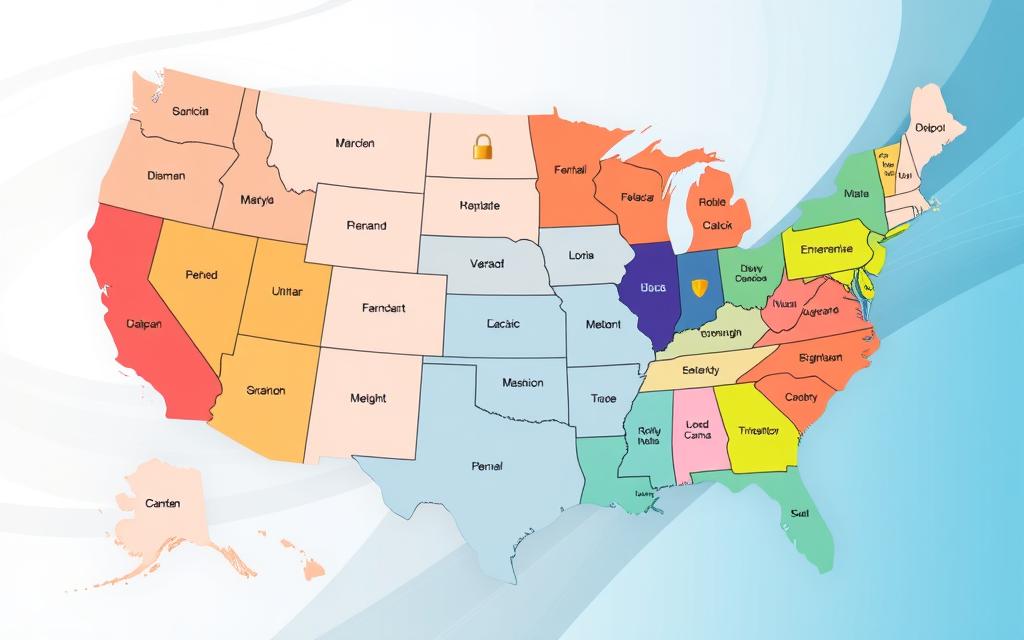
Recently, laws about NDAs have changed a lot. Almost 20 states have put limits on these agreements. This is mainly because of workplace misconduct.
State Regulation Variations
States have different rules for NDAs:
- Utah changed its law to stop non-disclosure clauses for sexual misconduct
- New York made rules for non-disclosure in work agreements stricter
- New Jersey lets workers cancel non-disclosure clauses in some cases
- Washington State made old non-disclosure agreements not valid
Critical Case Law Developments
Important court decisions have changed how we see NDAs. In Brown v. TGS Management Company, LLC, a California court said an NDA was too wide. It stopped an employee from moving to a new job.
State-Specific Employee Protections
Employee rights differ a lot from state to state. Important protections include:
- New York lets workers cancel NDAs within seven days
- Some states ban NDAs that hide workplace harassment
- There could be fines for using NDAs the wrong way
The changing laws show how important it is to know about NDA rules in each state. This helps understand work better.
Alternatives to Signing an NDA
Dealing with workplace agreements can be tough. Traditional non-disclosure agreements might feel too strict. But, there are other ways to keep secrets safe and build trust.
You don’t always need a legal document to keep things private. Privacy agreements can be made in ways that work for everyone.
Verbal Agreements and Trust-Based Approaches
Companies can try different ways to keep things confidential:
- Make ethical rules that show respect for privacy
- Build a culture that values keeping secrets
- Have open talks about important stuff
- Limit who sees sensitive info
Alternative Confidentiality Arrangements
New ways to protect business secrets include:
- Sharing info only with those who need it
- Letting people access projects they’re working on
- Releasing info little by little
- Using special software to control who sees what
Establishing Trust Without Legalities
Real trust can grow stronger than any contract. Companies can build trust by:
- Talking clearly about what’s expected
- Respecting workers’ rights
- Making a positive work place
- Offering fair pay and recognition
Keeping secrets safe is all about understanding and respect. It’s better than dealing with lots of legal papers.
FAQs About Employee Rights and NDAs
Dealing with non-disclosure agreements can be tough for many workers. It’s key to know your rights and duties at work. Let’s look at some common questions and clear up wrong ideas about not signing an NDA.
Common Questions About Refusing an NDA
Many workers ask about their legal rights when faced with an NDA. Here are some interesting facts:
- More than one-third of American workers have to sign NDAs
- Minimum wage workers are often asked to sign NDAs
- New laws have changed how NDAs work
Clarifying Misconceptions
Many workers don’t know their rights well. Here are some important points:
- You can say no to an NDA, but it might affect your job
- You can try to change some NDA terms
- New laws offer more protection
| Legal Protection | Scope |
|---|---|
| Speak Out Act (2022) | Prevents NDAs for sexual harassment before incidents |
| NLRB Ruling (2023) | Limits broad non-disparagement clauses |
| Utah HB55 | Prohibits NDAs for sexual harassment |
Resources for Further Information
When dealing with employee rights and NDAs, consider these resources:
- Employment lawyers who know about workplace agreements
- National Labor Relations Board (NLRB) guidelines
- State-specific labor law resources
Remember, knowing your rights is the first step in protecting yourself at work. While refusing to sign an NDA can be complex, being informed helps you make the best choice for your career.
Seeking Legal Advice
Dealing with work problems needs careful thought and legal help. Knowing when to ask for legal advice is key. This is true, even with tricky documents like non-disclosure agreements (NDAs).
When to Consult a Lawyer
There are important times to get legal help:
- When NDA terms are unclear or too strict
- If you think you’re being unfairly treated at work
- Before signing a big employment contract
- When you feel forced to sign an NDA
Finding Legal Assistance
Finding the right lawyer takes some effort. Look for lawyers who know a lot about work rights and contracts. Ask for suggestions from:
- State bar associations
- Legal referral services
- Groups that fight for work rights
- People you trust
Role of Employment Lawyers
Employment lawyers are very helpful. They know a lot about work problems. They can:
| Service | Description |
|---|---|
| Contract Review | Looking at NDA terms for risks |
| Legal Consultation | Telling you about your rights and what might happen |
| Negotiation Support | Helping change unfair contract parts |
| Dispute Resolution | Helping you in legal fights |
Getting legal advice early can stop big problems later. Getting help from a lawyer is a smart move. It helps protect your job and knows your rights.
Conclusion: Know Your Rights
It’s key to know your rights with non-disclosure agreements. This helps keep your work life private. With 58% of workers not knowing about NDAs, learning is very important.
Empowering Employees Through Knowledge
Keeping work secrets is important, but so is knowing your rights. About 70% of lawyers say to get advice before signing an NDA. This shows how important it is to make smart choices.
Workers should know they can look over, talk about, and even fight unfair NDA terms.
Importance of Understanding NDAs
NDAs are used in 75% of business deals. It’s vital to understand them well. While 70% of companies use NDAs to keep secrets safe, workers must watch out for rules that are too strict.
Final Thoughts on Refusing an NDA
Not signing an NDA doesn’t mean you’re not willing to work. It’s about keeping your personal and work life safe. By learning, getting legal help when needed, and knowing the risks, workers can protect themselves and stay true to their values.