
About 20% of employers might face legal issues when firing someone on medical leave. It shows how tricky the rules are. Knowing how to fire someone on leave is key to protect both sides.
When firing someone on leave, you must follow federal and state laws. The Family and Medical Leave Act (FMLA) helps protect employees. But, employers also need to know when they can fire someone.
Firing someone on medical leave is a tricky process. It involves balancing business needs with protecting the employee. This is important to avoid legal problems.
To manage medical leave well, employers should keep records of performance issues. They should also talk clearly with employees and follow the law closely. Every step in firing someone must be well-documented and justified to avoid legal trouble.
Key Takeaways
- Understand FMLA and ADA protections for employees on medical leave
- Document performance issues thoroughly and objectively
- Maintain open communication with employees during medical leave
- Consult legal experts before initiating termination
- Ensure termination decisions are based on legitimate business reasons
- Follow all federal and state legal requirements precisely
Understanding Medical Leave Laws
It can be hard to know your rights at work, like medical leave laws. Both employers and employees need to get these laws right.
Medical leave laws are mainly set by federal rules. These rules help protect workers’ rights and treat them fairly when they’re sick.
Overview of Federal Regulations
There are a few main federal laws about medical leave:
- Family and Medical Leave Act (FMLA)
- Americans with Disabilities Act (ADA)
- Workers’ Compensation regulations
The FMLA is very important for workers who are very sick. It gives them important rights at work. Here are some key points:
- Up to 12 weeks of unpaid leave a year
- You need 12 months of work and 1,250 hours to qualify
- It applies to companies with 50 or more workers
Introduction to State Laws
State laws add more protection for workers. Some states give more leave than the federal law does.
| Law Type | Coverage | Employee Protections |
|---|---|---|
| Federal FMLA | 12 weeks unpaid leave | Job protection |
| State Variations | Varies by state | Potential paid leave |
Key Terms and Definitions
Knowing about medical leave means understanding some legal words. Serious health condition, reasonable accommodation, and job-protected leave are key terms.
Employers need to follow these rules to support their workers when they’re sick.
The Importance of Documenting Employee Performance
Keeping accurate records of employee performance is key. It protects both employers and employees in tough work situations. It acts as a shield in legal fights, like those over medical leave or job termination.
Good records help companies deal with HR rules and job contracts. Studies show that keeping records lowers legal risks by half.
Keeping Accurate Records
Creating detailed performance records needs a smart plan. Important parts include:
- Detailed incident reports
- Objective performance metrics
- Timely written observations
- Consistent feedback mechanisms
Types of Performance Issues to Document
It’s important to document specific problems that affect work:
| Performance Issue | Documentation Importance |
|---|---|
| Productivity Decline | Tracks quantifiable work output changes |
| Behavioral Concerns | Provides context for possible disciplinary actions |
| Communication Problems | Highlights challenges in working together |
| Skill Deficiencies | Supports plans for training or improvement |
By focusing on detailed records, employers safeguard employee rights and set clear work standards. Keeping good records helps avoid legal issues and misunderstandings during job termination.
Assessing the Employee’s Job Performance
Checking how well an employee does while on medical leave is tricky. Bosses must balance what’s best for the company and what’s fair to the worker. This helps avoid fights over work rights.

When looking at job performance, bosses should think about a few important things:
- The employee’s work history before they went on leave
- Any problems with their work
- How leave affects their job duties
- If they need special help at work
Evaluating Performance Before Medical Leave
Keeping track of how well someone does their job is key. Bosses should keep clear and detailed records of how well someone works, how much they get done, and if they meet their goals.
Important things to look at include:
- Looking at past reviews
- Checking how much work they do
- Seeing if they’ve had any trouble before
Impact of Medical Leave on Job Performance
It’s important for bosses to figure out how leave affects someone’s job. Quick decisions about firing can lead to big legal problems.
There are important court cases that show how tricky this can be:
- Sears paid $6.2 million to settle a claim about not being flexible with leave
- UPS was sued by the EEOC for firing people after 12 months of leave
- A big bank paid $2.2 million for not making work changes for medical needs
The EEOC says it’s key for bosses and workers to talk about work rights and if they need help because of health issues.
The Role of the Family and Medical Leave Act (FMLA)
The Family and Medical Leave Act (FMLA) is a key part of worker protections in the U.S. It lets employees take medical leave without worrying about losing their job. Knowing about FMLA is important for both employers and employees.
Employees get big protections under FMLA. They can take up to 12 weeks of unpaid leave a year. This law helps those with big life events.
Qualifying Reasons for Medical Leave
FMLA helps in many life situations. It lets employees take time off for:
- Birth or adoption of a child
- Caring for a family member with a serious health issue
- Recovering from a serious health issue
- Dealing with medical needs related to military service
FMLA Protections for Employees
The law protects workers well. It makes sure they can’t be punished for taking medical leave. About 70% of FMLA leave is for personal or family health.
| FMLA Protection | Details |
|---|---|
| Job Security | Guaranteed return to same or similar job |
| Health Benefits | Keep health insurance while on leave |
| Legal Recourse | Protection from unfair treatment or revenge |
Employees can also get help from the Americans with Disabilities Act (ADA). This gives them more rights and support at work.
Communicating with Employees on Medical Leave
Talking to employees on medical leave is very important. It’s about being kind, professional, and following the law. This helps avoid problems and keeps everyone safe.

- Maintain regular and respectful contact
- Document all communication attempts
- Provide clear and consistent information
- Respect employee privacy and medical confidentiality
Best Practices for Communication
Studies show that feeling respected helps avoid legal issues. Be open and caring in your talks. Show you understand what they’re going through.
| Communication Strategy | Key Considerations |
|---|---|
| Regular Check-ins | Quarterly updates, supportive tone |
| Written Documentation | Detailed records of all interactions |
| Clear Expectations | Outline possible return-to-work plans |
Keeping Lines of Communication Open
It’s key to keep talking to avoid problems. Being proactive and caring can prevent big misunderstandings that might lead to legal fights.
- Use many ways to talk to them
- Answer their questions fast
- Give clear news about their job
- Offer help and resources
Engaging in an Interactive Process
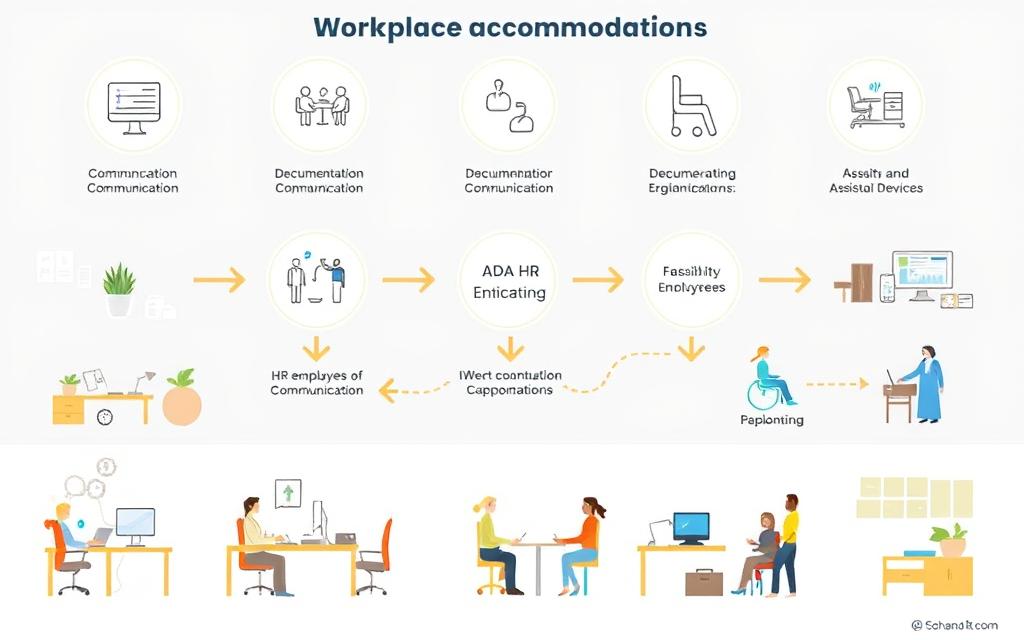
It’s key to follow the ADA process to keep workplaces fair. The Americans with Disabilities Act says employers must help find ways to help employees do their jobs. This helps everyone work better together.
Understanding the Interactive Process
The interactive process is when employers and employees with disabilities talk together. They figure out ways to help the employee do their job better. EEOC guidelines say this is very for solving problems related to disabilities.
Key Elements of Reasonable Accommodation
- Modifying work schedules
- Providing assistive technologies
- Adjusting workplace environments
- Restructuring job responsibilities
Employers must try many solutions before deciding to fire someone. About 74% of people with disabilities face problems at work. This shows how important it is to find good solutions.
| Accommodation Type | Potential Impact |
|---|---|
| Flexible Work Hours | 25% Productivity Increase |
| Technology Adaptations | Improved Job Accessibility |
| Workspace Modifications | Enhanced Employee Comfort |
When employers do this right, they can see a 25% boost in productivity. The aim is to make a place where everyone can do their best.
Risks of Wrongful Termination Claims
Employment law is complex. Wrongful termination claims are a big challenge for employers. This is true, even more so for employees on medical leave.
Employers need to know about legal protections for employees. The numbers on employment disputes are eye-opening:
- About 70% of wrongful termination claims are against employers.
- 90% of these lawsuits settle before trial.
- Being on medical leave can make wrongful termination claims 50% more likely.
Common Pitfalls to Avoid
Employers must watch out for legal risks in labor laws. Some big areas of risk include:
- Not documenting performance issues well.
- Discriminating against employees with medical issues.
- Terminating employees without clear, fair reasons.
Legal Consequences of Improper Termination
The costs of an employment dispute can be high. Possible costs include:
| Consequence Type | Potential Cost |
|---|---|
| Legal Defense Costs | $50,000 – $150,000 |
| Settlement Amounts | Average $40,000 |
| Potential Damages | Up to $1 million in extreme cases |
Protecting your organization requires proactive strategies and a deep understanding of employment regulations. Employers must think carefully about each termination. They must make sure it follows federal and state labor laws. This helps avoid wrongful termination claims.
Alternatives to Termination
When dealing with employee medical leave, it’s important to think of other options. Employers need to find ways that meet business needs and protect employee rights. This is important for following ADA rules and federal laws.
For employees with long medical issues, there are ways to keep the workplace stable. These options also help support the employee’s rights:
- Extended Medical Leave
- Partial Work Accommodations
- Temporary Job Reassignment
- Flexible Work Arrangements
Exploring Possible Options
The Family Medical Leave Act (FMLA) is key for employees with serious health issues. It helps protect them. Employers with 50 or more workers must make reasonable changes to help the employee get better and fit back into work.
Thinking About Leave Extensions
Looking into extending leave needs a careful plan. You should think about:
- Medical papers
- How the employee has done in the past
- How it might affect the workplace
- The cost of making changes
| Leave Option | Duration | Legal Considerations |
|---|---|---|
| Standard FMLA Leave | 12 Weeks | Job-Protected Status |
| Extended Unpaid Leave | Up to 6 Months | Case-by-Case Evaluation |
| Partial Work Accommodation | Flexible Schedule | ADA Compliance Required |
Employers should be kind, know the law, and try to find solutions that work for everyone. This helps protect both the company and the employee’s rights.
Seeking Legal Counsel
Employment law can be hard to understand, like when you need to fire someone on medical leave. Getting legal help is key to protect everyone’s rights.
Knowing when to get a lawyer can save you from big mistakes in employment law. Employers should talk to a lawyer in these situations:
- When the employee’s medical leave meets performance issues
- If you’re unsure about termination laws
- When it’s hard to show performance problems
- Before deciding to fire someone
When to Consult a Lawyer
A good employment lawyer gives you important advice on firing someone. Only 10% of employees who feel wrongfully fired get legal help. This shows why getting advice early is so important.
Benefits of Professional Guidance
Getting legal advice has many benefits in tricky employment cases. A skilled lawyer can help employers:
- Check if firing someone could lead to lawsuits
- Look over all the documents
- Make sure you follow all laws
- Plan a way to fire someone legally
With about 45% of wrongful firing cases being about discrimination, getting legal advice is a big help for businesses dealing with tough employment law issues.
Final Steps Before Termination
Getting ready to fire an employee is a big deal. It needs careful planning and following the rules. When you fire someone on medical leave, it’s even more important. The termination process must be done right to avoid big problems.
Before you fire someone, check their work history and medical leave records. Firing someone wrong can cost a lot, from $100,000 to over $500,000. Keeping good records is key to avoiding these costs.
Preparing for the Termination Meeting
When you meet to fire someone, be clear about why. Talking well can lower legal risks by 30%. Make sure your reasons for firing are real and not because of their health.
Ensuring Legal Compliance
Check all the laws before you fire someone. Make sure you follow FMLA, ADA, and other rules. You need solid proof for firing, like bad job performance, not health issues. This way, you can fire someone without getting into trouble.
I was wrongfully terminated from my job after being mentally and emotionall abused i was be litled talked down to and harrased so much that i could not even function or think straight and i still cant ever single day i wake up just to be reminded of allt he trauma and pain i have suffered.it has prevented me for resuming in my normal life. It has affected my work life because I was terminated. and it has affected my home life, my husband and my relationship, and my 12-year-old daughter negatively. I am far from okay, and I want them to pay for what I deal with in my mind all day, every day, because of what I went through. I will never be the same. I am timid, and iim scared, and I am traumatized. This was followed by a retaliation from my manager took place. and then I was terminated. wrongfully please help me or guide me in the right direcction.